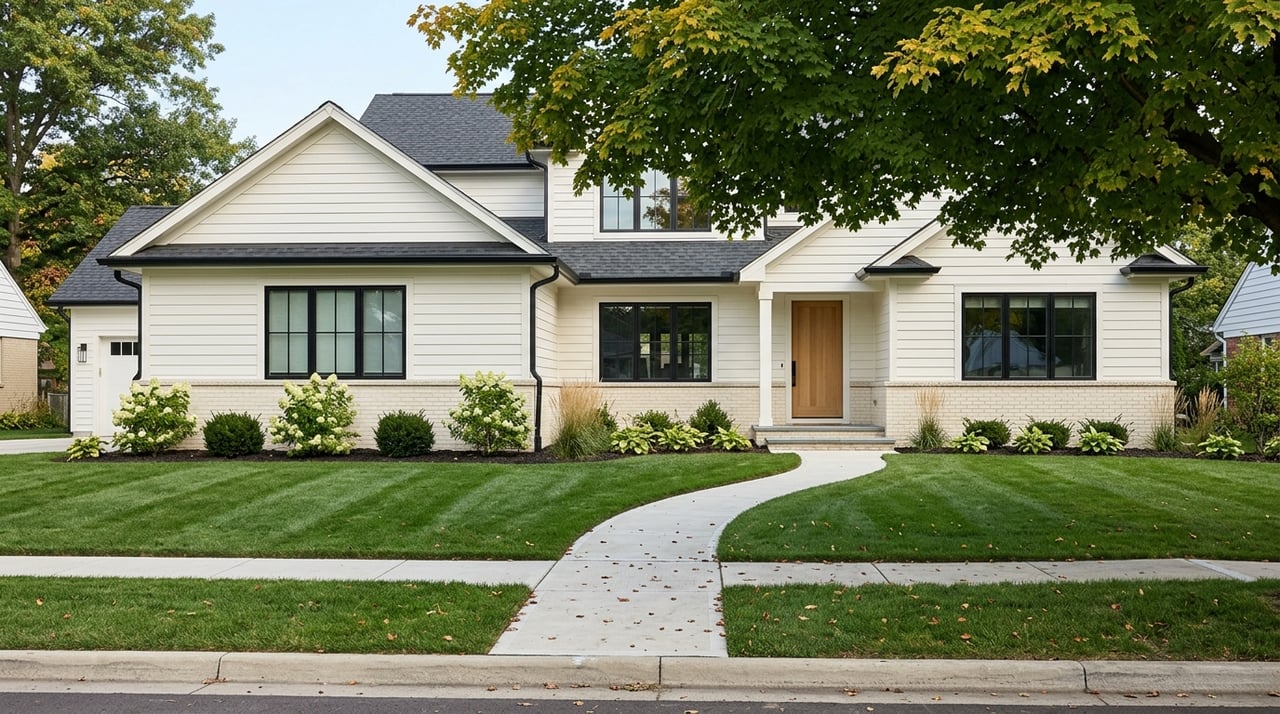
Trying to decide between a brand-new home and an established neighborhood in Plymouth? You are not alone. Many buyers like the idea of modern finishes and fewer near-term repairs, but they also want yard space, mature trees, and a setting that feels settled. The good news is that Plymouth offers both, and the better choice usually comes down to how you want to live day to day. Let’s dive in.
Plymouth offers both paths
Plymouth is about 12 miles northwest of Minneapolis, with access to I-494, Highway 55, Highway 169, and nearby I-394. That makes it appealing if you want to stay connected to the broader Twin Cities while living in a west metro community with a strong park and trail network.
What makes Plymouth especially interesting is that new construction is not limited to the outer edges of town. The city’s planning work shows continued redevelopment in City Center and along key corridors, including added residential density in the center of town and selective mixed-use residential changes in other areas.
That means your choice is not simply “new on the fringe” versus “old in the middle.” In Plymouth, you may find newer options in more in-town settings and established homes in neighborhoods with a longer development history.
Why buyers choose new construction
New construction often appeals to buyers who want convenience and predictability. You may get modern systems, current floor plans, and fewer immediate projects after move-in.
Another major draw is builder warranty coverage. Warranty terms vary, and they are usually limited and component-specific, but they often cover workmanship and materials for items like windows, HVAC, plumbing, and electrical systems.
If you are considering a home that is not finished yet, expect the buying process to look a little different. A builder may ask for an upfront deposit, so it is smart to ask when that deposit is refundable and what milestones affect the timeline.
You should also know that you do not have to use the builder’s preferred lender. Comparing multiple Loan Estimates can help you understand your true financing options and may save money over the life of the loan.
Newer homes may mean smaller lots
In Plymouth, some newer housing reflects denser land-use patterns. The city’s comprehensive plan notes that future LA-1 lots may be smaller than some existing LA-1 neighborhoods, and LA-2 is intended for smaller homes on smaller lots, detached and attached homes, and townhomes at about 3 to 6 units per acre.
In practical terms, that can mean a more efficient layout and lower-maintenance living, but less private yard space. For some buyers, that trade-off is worth it. For others, lot size matters more than new finishes.
HOA dues can shape your budget
Many newer communities, especially townhome or common-interest settings, may include HOA dues. Those dues are typically paid separately from your mortgage, and they can range from a few hundred dollars per month to more than $1,000 depending on the property and services.
That does not automatically make a newer home more or less affordable. It simply means you need to evaluate your full monthly housing cost, not just principal and interest.
Why buyers choose established neighborhoods
Established Plymouth neighborhoods often appeal to buyers who want space and character. Older areas may offer a more varied streetscape, more mature landscaping, and, in some cases, larger lots.
The city’s planning language suggests an important clue here. Because future LA-1 development may be smaller than some LA-1 neighborhoods today, older neighborhoods can sometimes feel more spacious, though that is not a parcel-by-parcel rule.
You may also notice more architectural variety in established areas. Plymouth has grown over decades, so buyers can see a broader mix of floor plans, rooflines, and exterior materials than they might in a newer subdivision.
Existing homes let you inspect before closing
One practical advantage of an existing home is that you can evaluate what is already there. A home inspection can give you a better sense of condition, maintenance needs, and possible repair costs before you close.
That matters because repair responsibility becomes yours once you own the home. In addition to your mortgage, you may also be budgeting for repairs, taxes, insurance, and any HOA dues that apply.
Plymouth’s parks and trails support established areas
Plymouth’s amenity base is already well developed. The city says it has nearly 2,000 acres across 68 developed parks and 186 miles of trails.
The Northwest Greenway adds a nearly 315-acre wooded preserve with about 7.7 miles of paved trails and links to neighborhood parks and the Medicine Lake Regional Trail. If access to recreation is high on your list, established neighborhoods can offer strong day-to-day proximity to a built-out network of outdoor amenities.
City Center changes the usual new-vs-old debate
In many suburbs, new construction usually means driving farther out for newer housing. Plymouth offers a different twist because City Center adds a more in-town option.
The city says City Center is roughly one mile west of I-494 on Highway 55 and includes City Hall, the library, the Plymouth Ice Center and Life Time facility, the Hilde Performance Center, restaurants, and other destinations. The district covers about 140 acres and also includes wooded areas and wetlands.
For buyers who want newer housing near civic, recreational, and dining destinations, this can be an appealing middle ground. You may be able to get newer product without giving up the convenience of a more central Plymouth location.
School district boundaries matter in Plymouth
One of the biggest factors in your search may have nothing to do with home age. Plymouth is served by four public school districts, and two homes just a few streets apart may fall into different districts.
According to the city, Wayzata serves 63.8% of Plymouth, Robbinsdale serves 20.6%, Osseo serves 12.8%, and Hopkins serves 2.8%. That is why it is important to confirm district boundaries early when you compare homes.
This is especially relevant if you are choosing between a newer development and an established neighborhood in different parts of the city. A home that checks every box on layout and condition may still feel like the wrong fit if the location does not align with your priorities.
How to choose the right fit
If you are stuck between new construction and an established neighborhood, focus on your real priorities rather than the label. The better question is not “Which is better?” but “Which trade-offs work better for you?”
Here is a simple way to think about it.
New construction may fit you if you want
- Modern systems and finishes
- Limited near-term repair needs
- Builder warranty coverage
- Lower-maintenance living
- A more streamlined or predictable move-in experience
Established neighborhoods may fit you if you want
- Potentially larger lots
- More mature trees and landscaping
- More architectural variety
- A settled neighborhood feel
- The chance to inspect the exact home before closing
A smart Plymouth buyer checklist
Before you decide, compare each option with the same set of questions. This helps keep emotion from driving a decision that should also be practical.
- Which school district serves the address?
- How much yard space do you really want?
- Are there HOA dues, and what do they cover?
- If it is new construction, what does the builder warranty include?
- If it is not yet built, when is your deposit refundable?
- What is the expected closing timeline?
- If it is an existing home, what did the inspection reveal?
- Have you compared multiple Loan Estimates?
The bottom line in Plymouth
In Plymouth, new construction is often a play for convenience, modern systems, and warranty-backed peace of mind. Established neighborhoods are often a choice for space, mature surroundings, and the ability to evaluate the home before you buy.
Neither path is automatically better. Because Plymouth has a built-out suburban core, active redevelopment in City Center, strong highway access, and an extensive park-and-trail network, both options can make sense depending on your goals.
If you want help comparing neighborhoods, lot sizes, timelines, and trade-offs in Plymouth, Peter Ice can help you narrow the field and find the right fit for how you want to live.
FAQs
What is the main difference between new construction and established neighborhoods in Plymouth?
- In Plymouth, new construction often offers modern systems, warranty coverage, and lower-maintenance living, while established neighborhoods may offer larger lots, mature landscaping, and more architectural variety.
Are new construction homes in Plymouth only on the edge of the city?
- No. Plymouth planning documents show continued redevelopment in City Center and along key corridors, so newer housing can also appear in more central, in-town locations.
Do Plymouth new construction homes usually have HOA dues?
- Some do, especially in townhome or common-interest settings. HOA dues are typically paid separately from the mortgage, so you should factor them into your monthly budget.
Why do lot sizes differ between newer and older Plymouth neighborhoods?
- Plymouth’s comprehensive plan indicates that some future development patterns allow smaller lots and denser housing types, which can mean newer homes trade yard size for more efficient layouts and lower-maintenance living.
How important are school district boundaries when buying a home in Plymouth?
- Very important. Plymouth is served by four public school districts, and homes located close to one another can fall into different districts, so it is smart to verify boundaries early in your search.
What should you ask before buying a Plymouth new construction home?
- Ask what the builder warranty covers, when a deposit is refundable if the home is not yet built, whether there are HOA dues and rules, and what the expected closing timeline looks like.
What should you ask before buying an existing home in a Plymouth neighborhood?
- Focus on the inspection results, expected repair needs, taxes, insurance costs, any HOA dues, and how the lot, layout, and location compare with your daily priorities.