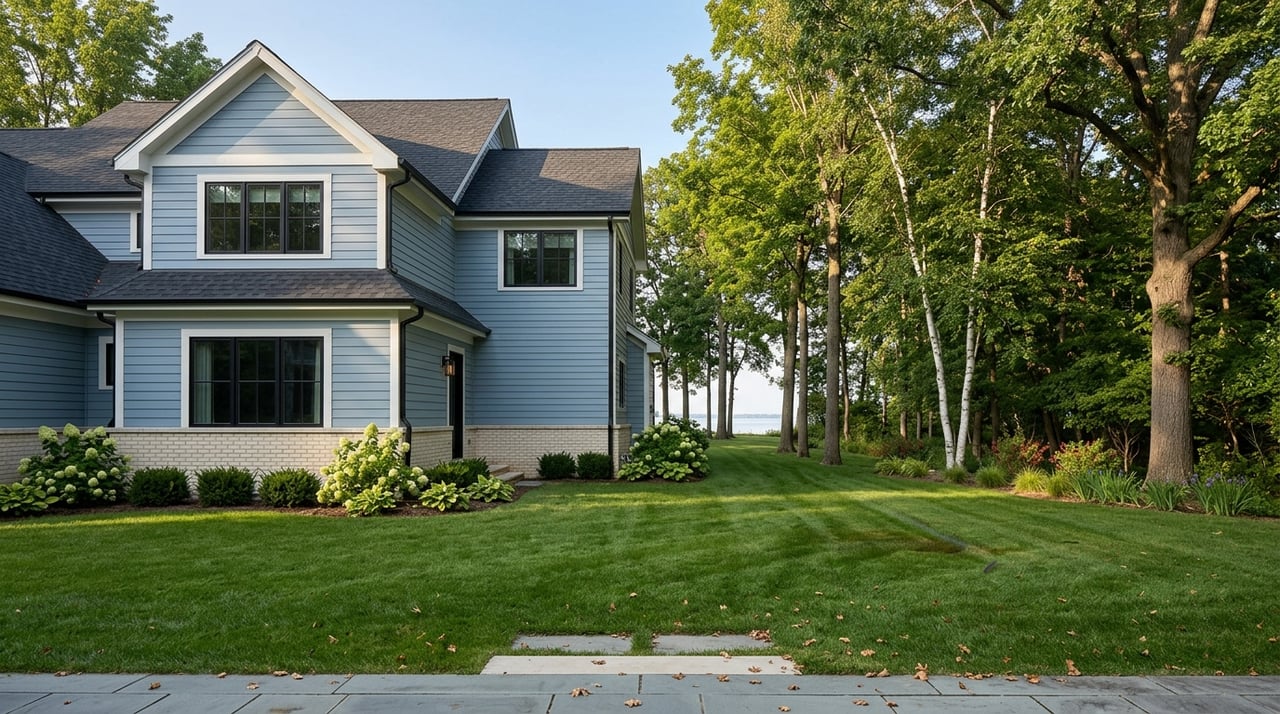
If you are deciding between open land and open water in Orono, you are not alone. This is one of the most important tradeoffs buyers face in this part of the Lake Minnetonka corridor, especially in a market where both privacy and shoreline come at a premium. The good news is that each option offers a distinct lifestyle, and once you understand the differences, your decision becomes much clearer. Let’s dive in.
Why This Choice Matters in Orono
Orono is not a typical suburban market. It sits along the north shore of Lake Minnetonka, and the city says its lakes, wetlands, and shoreline shape much of its character. Orono also includes about one-third of Lake Minnetonka’s surface area and roughly 40 miles of shoreline, which helps explain why lakefront property plays such a major role in the local housing mix.
At the same time, Orono offers far more than waterfront living. The city has more than 260 acres of parks, trails, and open space, plus multiple lake access points and lake access corridors. That means you can still enjoy a lake-oriented lifestyle here even if your home is not directly on the shoreline.
How Orono Defines Acreage and Lakefront
The difference between acreage estates and lakefront homes in Orono starts with zoning and land use. The city’s zoning map separates lakeshore residential districts from rural residential districts. Lakeshore districts include 1/2-acre, 1-acre, and 2-acre designations, while rural residential districts include 2-acre and 5-acre designations.
In practical terms, acreage estates are usually inland or semi-rural homes on larger parcels. Lakefront homes are the properties closest to or directly on the water. That sounds simple, but the lifestyle, upkeep, and pricing can be very different depending on which side of the decision you choose.
What You Get With an Acreage Estate
Acreage estates in Orono tend to appeal to buyers who want a strong sense of separation and space. These properties often offer long driveways, mature trees, larger lawns, and more room for outdoor amenities. If you picture a private setting where the home feels tucked away from the street and neighbors, acreage is often where you find it.
Current examples in the market help illustrate that point. One Orono property at 195 Crystal Creek Road is described as a private wooded-drive home on 5.12 acres. Another at 430 Stubbs Bay Road sits on 2.34 acres and includes features such as grand living spaces, a pool, hot tub, and putting green.
That combination of land and flexibility is the real draw. In many cases, acreage homes give you more room for entertaining, recreation, and a compound-like feel. For some buyers, that day-to-day privacy matters more than having a dock outside the back door.
Best Fit for Acreage Buyers
Acreage estates may be a better fit if you value:
- Privacy from nearby homes
- Space for outdoor amenities
- A more tucked-away setting
- Flexibility for large yards and grounds
- Less shoreline-specific regulation
What You Get With a Lakefront Home
Lakefront homes in Orono usually deliver something acreage cannot replicate, which is immediate access to the water. Buyers in this category are often prioritizing shoreline, views, boating access, and the day-to-day experience of living directly on Lake Minnetonka. If your ideal morning includes coffee by the water and your ideal evening ends with sunset views over the lake, this property type naturally stands out.
Recent examples show what that premium can look like. A property at 1920 Fagerness Point Road includes 2.03 acres and more than 150 feet of shoreline. Another benchmark, 575 Oxford Road, includes 2.91 acres, more than 250 feet of Lake Minnetonka shoreline, a permanent dock, a pool, and a private-island interest.
Scarcity is a big part of the appeal. There is only so much buildable shoreline, and Orono controls a significant stretch of one of Minnesota’s most recognized lakes. That limited supply tends to keep lakefront homes in a premium category.
Best Fit for Lakefront Buyers
Lakefront homes may be a better fit if you value:
- Direct water access
- Dock and boating use
- View corridors and shoreline presence
- Swimming and lake recreation from home
- A property type with strong scarcity appeal
Lifestyle Tradeoffs to Think Through
The practical choice usually comes down to how you want to live every day. Acreage estates tend to deliver more land privacy for the dollar, while lakefront homes tend to deliver more immediate lifestyle access to the water. Neither is inherently better. The right answer depends on what you will use most often.
If you are home-focused and want your property to feel like a retreat, acreage may check more boxes. If you want the lake to shape your routine, from boating to waterfront entertaining, lakefront ownership may feel worth the added premium and oversight.
Maintenance and Upkeep Are Different
One of the biggest differences between these property types is what ownership asks of you after closing. With acreage, the workload usually centers on grounds care, trees, driveways, and maintaining a larger site. That can still be significant, especially on multi-acre parcels, but it is a different kind of responsibility than managing shoreline.
Lakefront ownership comes with more site sensitivity and more shoreline-related considerations. Minnesota shoreland rules are designed to protect habitat, water quality, and property values, and local governments handle permits and land-use decisions. The Minnesota DNR notes that items such as stairways, lifts, and landings generally require local permits.
Shoreline vegetation also matters more than many buyers expect. The DNR says that shoreline vegetation helps stabilize soils, reduce erosion, and support water quality. In Orono, recent ordinance updates show ongoing local attention to lakeshore setbacks, docks on the right-of-way, driveways, stairways, lifts, landings, and vegetation changes.
Orono’s surface water planning also reflects the city’s connection to the Minnehaha Creek Watershed District. The city says its planning is intended to help prevent flooding, reduce erosion and sedimentation, promote groundwater recharge, and enhance habitat. In short, lakefront living can be incredibly rewarding, but it tends to involve more regulation and more property-specific review.
Pricing in Orono’s Premium Market
Orono sits at the high end of the west metro housing spectrum. Zillow reported an average home value of $1,136,123 and a median list price of $1,567,500 in May 2026. Redfin reported a May 2026 median sale price of $989,408 and average days on market of 28. Redfin also showed 15 land listings in Orono with a median listing price of $1.4 million.
Those are citywide numbers, not side-by-side averages for acreage and lakefront homes. Still, the listing examples suggest a clear pattern. The acreage-style homes referenced above were priced around $1.6 million to $1.7 million, with price-per-square-foot figures in the roughly $268 to $375 range.
The lakefront examples were materially higher. The Fagerness Point property was listed at $2.65 million and about $721 per square foot, while the Oxford Road estate closed at $5.09 million and about $754 per square foot. Based on those examples, lakefront property tends to command a higher ceiling and a stronger shoreline premium, while acreage often buys more land and privacy for the dollar.
Questions to Ask Before You Choose
No matter which direction you lean, the details of the individual property matter. Two homes with similar price points can offer very different levels of usability, restrictions, and long-term appeal.
Before moving forward, make sure you verify:
- The exact zoning district
- Whether the property has shoreland overlay considerations
- Usable dry-buildable acreage
- Shoreline length, if applicable
- Dock rights and water access specifics
- Any wetlands or slope constraints
These details can shape not only how you use the property, but also what future changes may be possible. In a market like Orono, careful due diligence is part of making a confident decision.
Which Property Type Wins?
The answer depends on what you want your home to do for you. If your priority is privacy, room to spread out, and a more estate-like setting, acreage homes often offer a compelling value in Orono. If your priority is direct access to Lake Minnetonka, daily waterfront enjoyment, and a property with strong scarcity appeal, lakefront homes usually stand in a category of their own.
For many buyers, this is less about price alone and more about how you want to spend your time. A great decision is the one that matches your routine, your goals, and the kind of experience you want from home ownership in Orono.
If you are weighing acreage versus shoreline in Orono, working with a local team that understands both the lifestyle and the property-specific details can make the process much smoother. Connect with Peter Ice for thoughtful guidance on Orono homes, Lake Minnetonka properties, and the right fit for your next move.
FAQs
What is the main difference between acreage estates and lakefront homes in Orono?
- Acreage estates usually offer larger inland or semi-rural parcels with more privacy and room for outdoor amenities, while lakefront homes typically offer direct water access, shoreline, and lake views.
Are lakefront homes in Orono more regulated than acreage properties?
- Yes. Lakefront homes often involve more shoreline-related rules, including local permit review for features such as stairways, lifts, and landings, along with vegetation and setback considerations.
Do acreage homes in Orono usually cost less than lakefront homes?
- Based on the examples in the research, acreage homes tend to offer more land and privacy for the dollar, while lakefront homes usually command a higher premium because of shoreline access and scarcity.
Can you enjoy Lake Minnetonka without owning a lakefront home in Orono?
- Yes. Orono has multiple lake access points and lake access corridors, and the city also maintains more than 260 acres of parks, trails, and open space.
What should buyers verify before purchasing an Orono acreage or lakefront property?
- Buyers should confirm the zoning district, shoreland status, usable dry-buildable acreage, shoreline length, dock rights, and any wetlands or slope constraints before making a decision.