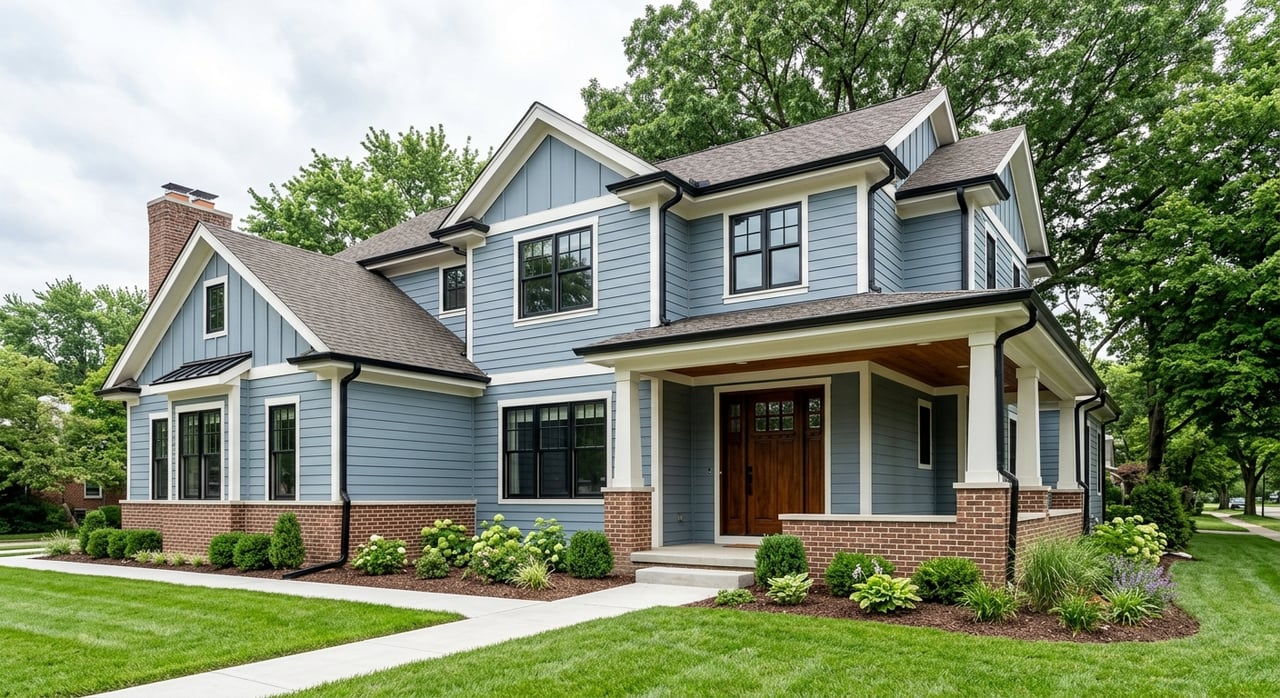
Not all Plymouth homes live the same way, even when they share a similar price point or square footage. If you are trying to choose the right home here, you are really choosing the routine you want to live every day. From school district boundaries to commute patterns, trail access, and maintenance needs, the best fit often comes down to how a specific address supports your life. Let’s dive in.
Start With Your Daily Routine
In Plymouth, the smartest home choice usually starts outside the house itself. The city is home to an estimated 78,551 residents, has an owner-occupied housing rate of 75.1%, and a median owner-occupied home value of $491,200. That points to a market where many buyers are thinking long term, which makes lifestyle fit especially important.
Before you focus on finishes or curb appeal, think about how you actually spend your week. Your commute, preferred maintenance level, access to parks or amenities, and school assignment by address can all have a bigger impact on daily satisfaction than an extra bedroom or a newer countertop.
Check School District By Address
One of the biggest Plymouth-specific details is that school district lines do not match city limits. Plymouth residents may be served by Wayzata, Robbinsdale Area, Osseo Area, or Hopkins Public Schools, and the city notes that the majority of the west and south sides are in Wayzata.
That is why you should verify the exact address, not assume based on the city name or ZIP code. If school assignment matters to your household, this should be one of the first checks you make before getting too attached to a home.
Why This Matters Early
A home can look perfect on paper and still miss a key part of your plan if the address is in a different district than you expected. In Plymouth, this is not a minor detail. It is one of the clearest examples of why choosing the right home means choosing the right location within the city.
For many buyers, this is worth confirming before or during the first showing. It helps you avoid wasted time and keeps your search focused on homes that truly fit your needs.
Match The Home To Your Commute
Plymouth sits about 12 miles northwest of Minneapolis, with Interstate 494 and Highway 55 running through the city, Highway 169 along the eastern border, and Interstate 394 within about four miles of the city center. The city also reports roughly 54,000 jobs, so your commute may be to downtown Minneapolis, the University of Minnesota, another west-metro employer, or even a local workplace within Plymouth.
The average commute time is 22.6 minutes, but that number only tells part of the story. In practice, commute ease can vary a lot depending on your exact address and direction of travel.
Test The Real Route
A map estimate is helpful, but it is not enough. In Plymouth, a home that looks convenient online may feel very different during morning or evening traffic.
If commute time matters, test the route you would actually drive. Do it at the time you would normally leave, and pay attention to highway access, turning movements, and how quickly you can get in and out of the neighborhood.
Choose The Right Home Type
Plymouth offers more than one style of living. Some buyers want yard space and privacy, while others want less maintenance and easier access to amenities. The right answer depends on what you want your next chapter to feel like.
Detached Homes For Space And Control
Detached single-family homes often make sense if you want a classic suburban setup. You may have more yard space, more storage, and more control over how you use and maintain the property.
When touring detached homes, look beyond the interior. Check lot usability, drainage, the age of the roof, windows, and HVAC, and whether the street feels quiet, cut-through, or closer to major traffic routes.
Townhomes For Lower Maintenance
Townhomes and other low-maintenance options can be a strong fit if you want to stay in Plymouth but reduce exterior upkeep. City planning documents show support for higher-density townhome and multifamily development in targeted areas, especially around the central corridor.
If you are considering this route, evaluate more than the monthly dues. Ask what the HOA covers, how snow removal and exterior maintenance are handled, whether guest parking is practical, and if the layout still gives you the comfort and function you need.
Think About City Center Access
Plymouth City Center is designed as a hub for cultural, recreational, civic, and entertainment uses. Located roughly at the geographic center of the city, about one mile west of Interstate 494 on Highway 55, it includes destinations such as the Plymouth Library, City Hall, the Plymouth Ice Center and Life Time facility, Hilde Performance Center, restaurants, retail, and other everyday amenities.
For some buyers, that access is a major advantage. For others, a quieter residential setting farther from the central corridor may feel like a better fit.
Amenity Access Vs. A Quieter Setting
If you like quick trips to daily conveniences, community events, and a more connected feel, homes near City Center may deserve a closer look. If you prefer a more traditional residential pocket with less activity, you may want to search farther from the most active corridors.
Neither option is better across the board. The key is being honest about what makes your day easier and what kind of setting helps you feel most at home.
Use Parks And Trails As A Decision Tool
Plymouth's park system is one of the city's strongest lifestyle features. The city reports 188 miles of city, state, and regional trails, 1,834 acres of park land, 68 developed parks, 8 playfields, 3 public beaches, and 6 special-use facilities.
That means access to outdoor space can be a real quality-of-life factor when comparing homes. In some cases, trail proximity or park access may shape your experience more than a slightly larger interior.
Look Beyond Square Footage
The city also highlights Medicine Lake, the second largest lake in Hennepin County, along with regional destinations like Clifton E. French Regional Park and Eagle Lake Regional Park. If you enjoy walking, biking, recreation programs, or time outdoors, these nearby assets can become part of your normal routine.
Plymouth also offers the Community Center, which includes indoor walking and fitness space, gymnasiums, a fieldhouse, and recreation programming. For many buyers, being close to these kinds of amenities adds everyday value that does not always show up on a listing sheet.
Consider Transit Options Too
Many suburban buyers focus only on driving, but Plymouth offers more transit support than some expect. The city says Metrolink provides express commuter service to downtown Minneapolis and the University of Minnesota.
Plymouth also offers Click-and-Ride, with $3 rides seven days a week anywhere in Plymouth and select nearby destinations. The city participates in a Guaranteed Ride Home program as well, which can matter if you want a backup option when plans change.
Why Transit Can Affect Home Choice
Even if you do not plan to use transit every day, having options can still influence the right location for you. A home with easier access to commuter services, local destinations, or backup transportation may support your lifestyle better than one that looks similar on paper.
This is especially true if your work schedule varies or if your household uses more than one commuting pattern. In Plymouth, flexibility can be part of the value of a location.
Ask Better Questions On Tour
When you tour homes in Plymouth, the right questions can quickly separate a good-looking house from the right long-term fit. Keep your attention on the parts of the decision that will still matter after move-in day.
Use this simple checklist at every showing:
- Which school district and attendance area is this exact address in?
- How does this location fit the commute you would actually use?
- How much maintenance would you handle yourself here?
- If there is an HOA, what do the dues cover?
- How close are the parks, trails, library, grocery stops, dining, or community spaces you would use most?
- Does the area feel more quiet and residential, or more active and changing?
Focus On Plymouth's Key Tradeoffs
Most buyers in Plymouth end up weighing a few recurring choices. These tradeoffs are normal, and recognizing them early can help you make a more confident decision.
Here are some of the most common ones:
- Space vs. maintenance
- School district priority vs. commute priority
- Quiet street vs. central convenience
- Older home character vs. newer low-maintenance living
- Private yard and storage vs. HOA-managed exterior care
The Best Home Is The Best Fit
The right home in Plymouth is rarely just the one with the nicest kitchen or biggest lot. It is the one that matches your routine, your priorities, and the way you want to live over the next several years.
That is why a thoughtful search matters. When you look closely at address-level details, commute patterns, maintenance expectations, and amenity access, you can choose with more clarity and less stress.
If you want a more tailored way to evaluate homes in Plymouth, Peter Ice can help you narrow the search around the details that matter most to your daily life.
FAQs
How do school districts work for homes in Plymouth?
- Plymouth is served by multiple school districts, including Wayzata, Robbinsdale Area, Osseo Area, and Hopkins Public Schools, so you should verify school assignment by exact address rather than city name or ZIP code.
What type of home is best for a buyer in Plymouth?
- The best home type depends on your priorities, such as yard space, privacy, storage, lower maintenance, HOA support, and access to amenities near central Plymouth.
Is Plymouth a good location for commuters?
- Plymouth has access to Interstate 494, Highway 55, Highway 169, and nearby Interstate 394, but commute ease depends heavily on the exact address and direction of travel.
What amenities should buyers consider in Plymouth?
- Many buyers compare access to parks, trails, Medicine Lake, the Plymouth Community Center, City Center amenities, and daily conveniences like libraries, dining, and retail.
Are townhomes common in Plymouth?
- Plymouth includes townhome and multifamily housing, and city planning supports additional attached and higher-density housing in targeted areas, particularly around the central corridor.
Why is location within Plymouth so important when choosing a home?
- Different parts of Plymouth can change your school district, commute experience, maintenance options, and access to parks, trails, and City Center amenities, so the right fit is often very address-specific.