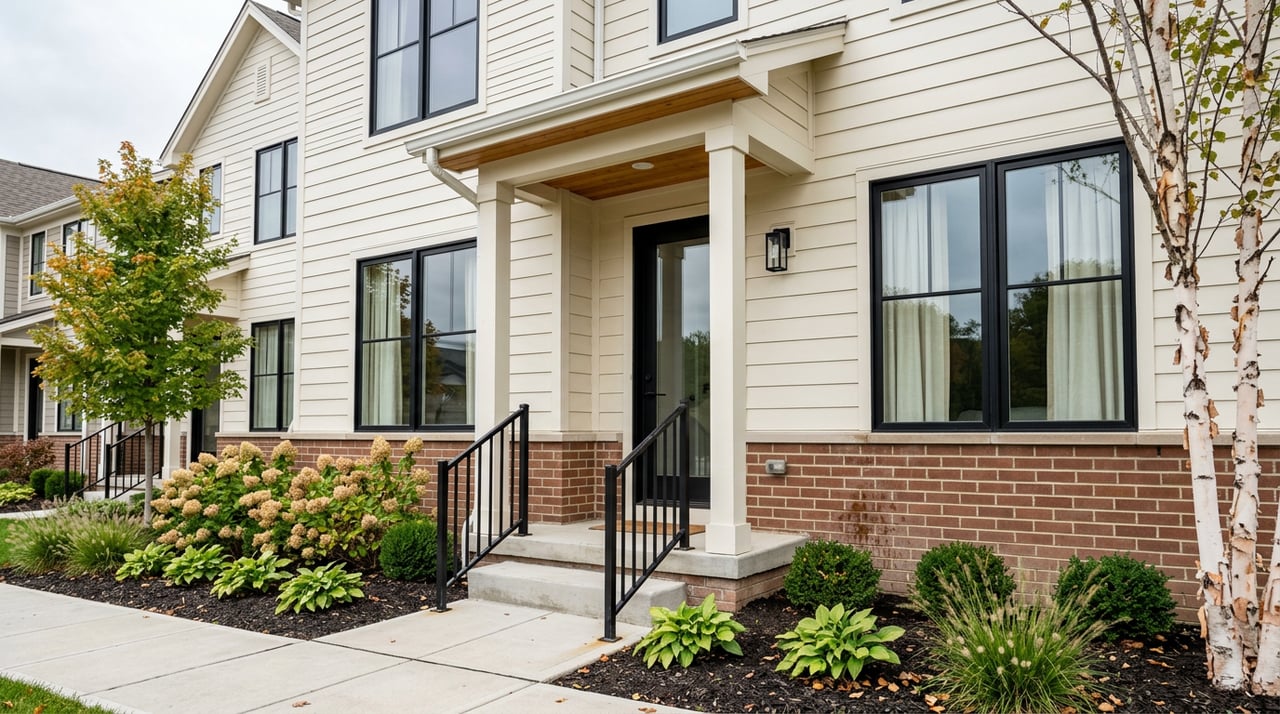
Thinking about trading yard work for lake walks and coffee on Water Street? If you are an empty nester or downsizer, Excelsior can feel like the perfect next chapter. The challenge is sorting through buildings, HOA rules, and timing your sale so the move is calm and well planned. This guide walks you through the local lifestyle fit, what to check in each association, slip and insurance basics, and smart ways to line up your home sale with a condo purchase. Let’s dive in.
Why Excelsior fits downsizers
Excelsior is a small lakeside city on Lake Minnetonka with a compact downtown centered on Water Street and the Commons. You get a lively, walkable hub with restaurants, boutique shops, and community events without the upkeep of a large lot. The city’s population skews a bit older with higher household incomes than the metro average, which often aligns with downsizer goals and services you may want nearby. You can review local demographics in the latest American Community Survey snapshot for context through Census Reporter’s Excelsior profile.
- Explore local data: check the neutral, third‑party summary at the Census Reporter Excelsior profile.
Walkable downtown and lake life
If you want to park the car and stroll, Water Street scores well for daily errands and dining. See the walkability detail for the corridor on Walk Score’s Water Street page. The city’s calendar features seasonal events, farmers markets, and summer concerts that create a social rhythm steps from many condo and townhome addresses. Review upcoming happenings on the City of Excelsior website.
Boat culture and slip realities
Lake access is a big part of Excelsior’s appeal. Some buildings or townhomes offer deeded or assigned slips, while others rely on nearby marinas. Always confirm how slips are owned or assigned, the size limits, and any annual fees. The Lake Minnetonka Conservation District sets rules and licensing that associations and marinas follow; see regional context on the LMCD lake resources.
What HOA dues really cover
Monthly HOA dues are not one‑size‑fits‑all. Two buildings with similar fees can cover very different items. Typical line items include exterior and common‑area maintenance, snow and lawn service, master insurance, common utilities, amenity upkeep, management, and reserves. In Excelsior, recent listings show HOA fees ranging from roughly the mid $400s to above $600 per month depending on amenities, parking, and insurance structure. Ask for a detailed budget so you can compare line by line across buildings.
- Insurance basics: associations carry a master policy for the building and common areas, while owners carry an HO‑6 policy for interior finishes, personal property, liability, and loss of use. Your HO‑6 often includes a loss‑assessment endorsement in case the association shares part of a claim across owners. For a plain‑English refresher, review Forbes’ guide to condo insurance.
Reserves and special assessments
A healthy reserve plan is your best protection against surprise special assessments. Ask for the latest reserve study, current reserve balance, and a list of planned capital projects. Waterfront associations may have significant future expenses for docks or bulkheads, so confirm how those components are budgeted. Community Associations Institute outlines best practices for transition and reserve planning; it is a helpful lens as you review documents. See CAI’s policy guidance on association planning and transitions at Community Associations Institute.
- Want a primer on what a good reserve study includes? This overview is useful: Reserve Study guide.
Rules and governance that affect daily life
Minnesota’s Common Interest Ownership Act sets the baseline for how condos are formed and governed, what disclosures you should receive, and what rules an association can adopt. Expect each association’s declaration and bylaws to define pets, rental policies, and use restrictions that shape your day‑to‑day experience. Read the governing documents plus any recent amendments and house rules before you write an offer. You can review the statute at Minnesota Statutes, Chapter 515B.
- Practical tip: request the last 12 to 24 months of board meeting minutes. Patterns in maintenance issues, noise complaints, or upcoming projects can tell you a lot about the community’s culture and near‑term expenses. CAI’s guidance above is a good framework for what to look for.
Financing and project approval
If you plan to use conventional or FHA financing, the lender must determine whether the project is eligible, often called “warrantable.” Factors like owner‑occupancy rate, commercial space, reserve strength, litigation, and delinquent assessments can all affect eligibility. If a project is non‑warrantable, you may need a portfolio lender or a larger down payment. Confirm the project’s status with your lender early so your offer strategy fits the building. For a deeper look at lender requirements, see this summary of condo project approval basics.
Newer vs established buildings: what to expect
Here is a quick side‑by‑side to help you compare typical tradeoffs. Individual buildings vary, so use this as a conversation starter as you review documents and tour.
| Feature | Newer boutique condos/townhomes | Established condos/townhomes |
|---|---|---|
| Layout & finishes | Open plans, modern kitchens, energy‑efficient systems | Traditional layouts, potential for updates or larger rooms |
| Accessibility | Elevators, single‑level living common | May have stairs, fewer elevators |
| Parking & storage | Heated or underground parking, assigned storage | Mix of surface and garage parking, varied storage |
| Amenities | Fitness rooms, guest suites, improved security | Fewer amenities, lower maintenance scope |
| HOA fees | Often higher to support amenities and systems | Sometimes lower, but depends on maintenance needs |
| Reserves & projects | Early reserve building, warranty periods may apply | Watch for aging roofs, facades, docks, or elevators |
Lake slip due diligence
If a unit advertises dock privileges or a slip, verify the details in writing before you offer. Ask whether slips are deeded or assigned, how assignments rotate, slip dimensions, and annual fees or insurance. Confirm whether the association holds current LMCD licensing and how dock or bulkhead repairs are handled in reserves. You can find lake‑wide regulatory context through the LMCD lake resources.
Smart ways to time your sale and purchase
You have options to keep stress low. Choose the approach that best fits your finances, risk comfort, and desired pace.
Sell first, then buy with a short rent‑back
You sell your house and include a post‑closing occupancy so you can stay briefly while you close on your condo or townhome. This is helpful if you need sale proceeds for the purchase and want to avoid two mortgages. Lenders often cap rent‑back periods, so confirm limits and insurance terms in writing. For a plain‑language overview of sale‑then‑buy mechanics, see this guide to coordinating a sale and purchase.
- Pros: stronger buying power with cash in hand, no double carrying costs.
- Cons: a tighter search window, possible interim housing if the search runs long.
Buy first with a bridge loan or HELOC
A short‑term bridge loan or HELOC lets you buy without a home‑sale contingency. These products can be more expensive than traditional loans and require sufficient equity and reserves, but they create flexibility in competitive situations. Review total carrying costs and timing with your lender. Learn the basics in Experian’s overview of how bridge loans work.
- Pros: you move once and choose carefully, no contingency in your offer.
- Cons: higher short‑term costs and risk if your home takes longer to sell.
Make an offer with a home‑sale contingency
You can tie your purchase to the successful sale of your current home. In slower segments this can work, especially with a short timeline and strong pricing on your listing. Many sellers add a “kick‑out” clause that lets them keep marketing the property. Be ready to remove the contingency quickly if a backup offer appears.
Consider a direct cash sale for speed
If speed is the top priority, a direct‑to‑cash buyer can free up equity fast. Expect tradeoffs in pricing and fees. Compare multiple written offers so you understand true net proceeds before deciding.
Due‑diligence checklist for any Excelsior condo
Use this quick list to request documents and answers early. It can save you from surprises later.
- Association resale packet and disclosures, including current budget and recent financial statements. See statutory context in Minnesota’s Chapter 515B.
- The most recent reserve study, current reserve balance, and a list of planned capital projects. Review what a strong study includes with this Reserve Study guide.
- Board meeting minutes for the last 12 to 24 months. Look for repeated maintenance issues, litigation, or special assessment talk. CAI’s guidance above provides helpful context.
- Insurance summary: master policy type and deductibles, and what you must cover with an HO‑6. Get a refresher with Forbes’ condo insurance guide.
- Status of any litigation or construction‑defect claims; ask how they may affect insurance or reserves.
- Assessment delinquency rate and current owner‑occupancy percentage. These figures can affect financing. For lender expectations, see the condo project approval basics.
- For units with lake access: copies of slip assignment policies, any LMCD permits, and recent dock or bulkhead condition reports. Check regional context at the LMCD lake resources.
A simple, low‑stress timeline
Here is one way a 60 to 90‑day plan can work if you sell first:
- Weeks 1–2: Prep your home for market, finalize pricing, and gather HOA documents for candidate buildings you like.
- Weeks 3–4: List and secure a buyer. Negotiate a short post‑closing occupancy to give you time to close on the condo.
- Weeks 5–8: While under contract, tour target buildings, review association documents, and secure loan approval.
- Weeks 8–10: Close on your house and then on the condo. Complete your move within the agreed occupancy window.
Bottom line: Excelsior offers a rare mix of walkable downtown life and lake access with the convenience of low‑maintenance living. If the association’s finances, insurance, and rules fit your comfort level, a condo or townhome here can simplify your days while keeping you close to everything you love.
Ready to explore Excelsior condos?
If you want a calm, well‑timed plan for your move, let’s talk through buildings, budgets, and timelines that fit your goals. Reach out to Pete Ice for a consultative game plan and a curated tour of the best options.
FAQs
What makes Excelsior appealing for downsizers?
- A compact, walkable downtown, active community calendar, and access to Lake Minnetonka create an easy, low‑maintenance lifestyle near dining, services, and parks. See events at the City of Excelsior website.
How walkable is downtown Excelsior for daily errands?
- Many downtown addresses score well for errands and dining within a short walk. Check the corridor’s metrics on Walk Score’s Water Street page.
How do condo boat slips work on Lake Minnetonka?
- Slips may be deeded, assigned, or offered by nearby marinas. Confirm assignment policies, size limits, annual fees, and LMCD licensing. Regional context is at the LMCD lake resources.
What does condo insurance cover vs. the HOA policy?
- The HOA’s master policy covers the building and common areas to a defined point; your HO‑6 covers interior finishes, personal property, liability, and loss of use. Learn more in Forbes’ condo insurance guide.
How can I tell if an association is financially healthy?
- Review the budget, reserve study, and reserve balance, then scan board minutes for upcoming projects. CAI’s best‑practice framework helps you evaluate planning and reserves at Community Associations Institute.
What is a warrantable condo and why does it matter?
- Lenders review the project for factors like owner‑occupancy and reserves. If it passes, the unit is typically eligible for conventional or FHA financing. See a summary of condo project approval basics.