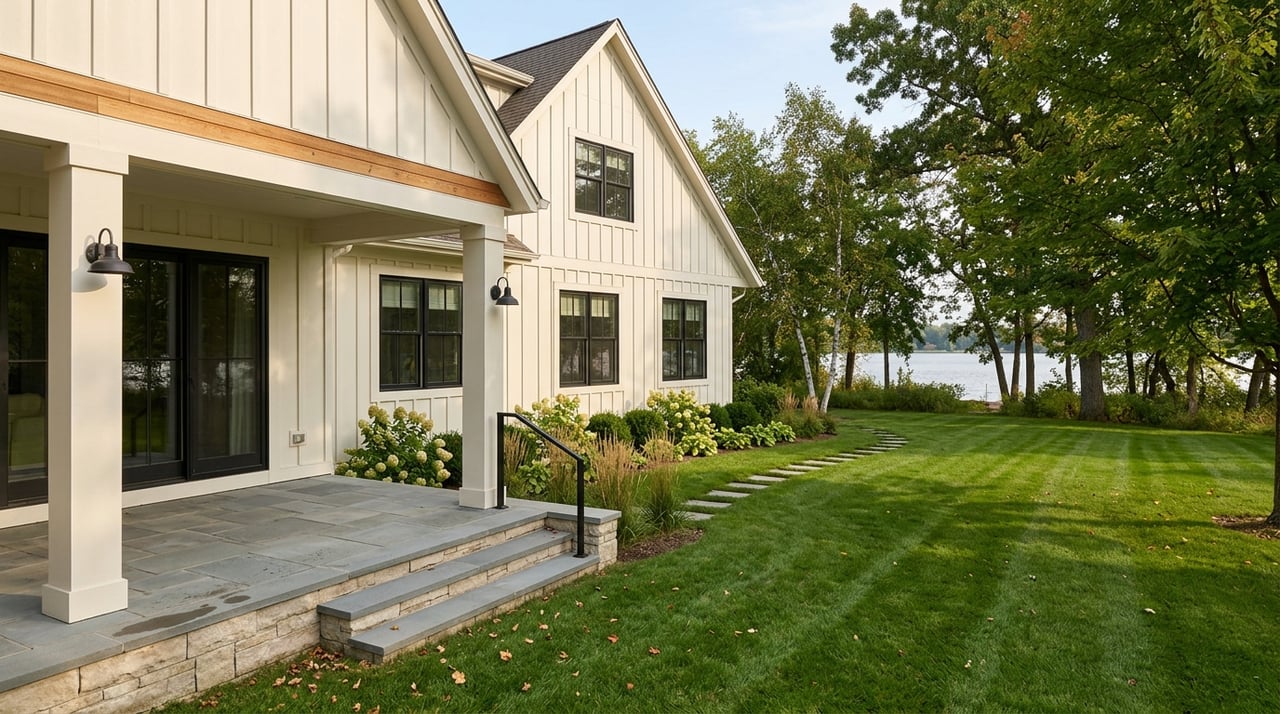
Wondering which part of Minnetonka gives you the best version of lake-style living? That answer depends on what “lake life” means to you, because in Minnetonka, it can look like direct boating access, a beach-and-trails routine, a quiet preserve setting, or a more convenient mixed-use neighborhood near water and parks. If you are comparing areas before a move, this guide will help you match your lifestyle, commute, and housing preferences to the right pocket of the city. Let’s dive in.
What lake-style living means in Minnetonka
Minnetonka is about eight miles west of Minneapolis, but it does not offer just one type of suburban experience. The city includes trees, wetlands, prairies, and many bodies of water, along with more than 50 parks and open spaces, more than 100 miles of trails, and more than 20 percent of its land area in wetlands and lakes.
That matters because lake-style living here is not only about owning direct frontage. In many parts of Minnetonka, the lifestyle comes from how close you are to public water access, trails, beaches, preserves, and everyday amenities.
The city is still largely low-density and suburban in layout. Roughly half of the land is used for low-density residential purposes, and the housing mix includes single-family homes, townhomes, multifamily homes, and a small share of duplex-style properties, so your choices can vary quite a bit depending on where you focus.
Start with your daily routine
If you are relocating or moving within the west metro, the smartest way to compare Minnetonka neighborhoods is by how you plan to use them every day. Some areas are better for boating, some are stronger for trails and quiet, and others make errands and commuting much easier.
Commute style can shape the right fit, too. Minnetonka remains mostly car-based, with 71 percent of residents driving alone in 2021, though the city also offers local and express transit routes, plus park-and-rides near I-394 and key commuter corridors.
Gray’s Bay for direct Lake Minnetonka access
If your top priority is actual Lake Minnetonka access, Gray’s Bay is the clearest place to begin. Gray’s Bay Marina and Public Access is the city’s most boat-oriented option, with seasonal marina operations, 29 permanent boat slips, three launch lanes, and parking for trailered and non-trailered vehicles.
This is the best fit if you picture summer weekends around launches, boating, and easy public access to the lake. It is a practical choice for buyers who want the real thing, not just a water-adjacent feel.
The tradeoff is that Gray’s Bay is less about a distinct neighborhood identity than some other parts of Minnetonka. If you want more charm, historic character, or a walkable village feel, you may find stronger personality elsewhere.
Who Gray’s Bay fits best
Gray’s Bay tends to make the most sense for buyers who want:
- The most obvious public Lake Minnetonka access in Minnetonka
- A boating-first lifestyle
- A location that prioritizes recreation on the water
- Convenience over a tucked-away neighborhood atmosphere
Lone Lake and Shady Oak for beach-and-trail living
If your version of lake-style living is more about shore time, walking loops, and easy outdoor recreation, Lone Lake and Shady Oak deserve a close look. This southeast cluster offers one of the strongest combinations of park space, trail access, and public beach amenities in the city.
Lone Lake Community Park and Preserve spans 146 acres and includes views of Lone Lake from the shore and dock, nearly two miles of formal trails, a 1.2-mile loop, mountain biking, and trail links north to Shady Oak Beach and west to the Minnesota River Bluffs LRT Regional Trail. That gives the area a strong active-lifestyle appeal without requiring direct shoreline ownership.
Shady Oak Beach adds another layer to the experience. The city describes it as an 85-acre recreation area with 76 feet of sandy shoreline, clear spring-fed water, lifeguards, rentals, and free parking.
This area is a strong choice if you want a recreation-rich setting that feels easy to enjoy on a regular basis. It is less about private lakefront prestige and more about having a high-quality outdoor routine close to home.
What to expect here
Buyers often like this area for:
- Beach access and swimming amenities
- Formal trails and regional trail links
- A more active, outdoor-focused daily lifestyle
- A practical alternative to direct Lake Minnetonka frontage
Opus for convenience with outdoor access
If you want modern convenience near trails and parks, Opus stands out. The city describes it as a one-square-mile development in southeast Minnetonka with residential, hotel, commercial, light industrial, and office buildings connected by a trail system.
Green Circle Park is part of that network, and the city says the trails are paved, mostly grade-separated, and linked to the surrounding buildings. That creates a more connected, functional setting than you may expect in a suburban office-adjacent district.
For many buyers, Opus works best as a convenience play. You get recreation nearby and strong road access, but it feels less like a classic shoreline neighborhood and more like a mixed-use area that supports a flexible lifestyle.
Why commuters often like Opus
Opus is worth considering if you want:
- Easier access to major road connections
- Nearby trails and green space
- A more modern mixed-use setting
- A location that supports commuting and day-to-day efficiency
Glen Lake for amenities and energy
Glen Lake offers one of the most amenity-dense and mixed-use environments in this comparison. City planning for the area envisioned a blend of single-family homes, townhomes, apartments near Highway 62, retail and restaurant uses, and park space connected to the Glen Lake shoreline.
This part of Minnetonka appeals to buyers who want to feel plugged in. Nearby city assets include Glen Lake Park, with athletic fields, a skate park, and play space, plus Kinsel Park, where you can view the lake from trails, benches, and a gazebo.
If you are looking for a more active corridor with services close by, Glen Lake can be a strong fit. It offers a more urban edge than some other Minnetonka neighborhoods, which can feel refreshing if you want convenience without giving up access to water and park space.
The tradeoff is that it may not feel as quiet or secluded as preserve-oriented areas. The city’s neighborhood study noted traffic volume, crossing, and lighting issues around Excelsior Boulevard and nearby connectors, so this is best for buyers who value activity and access over retreat-like calm.
Glen Lake may be right if you want
- Restaurants and services nearby
- A mixed housing environment
- Park access with lake views
- A livelier setting than a quiet residential pocket
Purgatory for a preserve-first setting
If you want nature to drive your home search, Purgatory is one of Minnetonka’s strongest options. Purgatory Park covers 155 acres in southwest Minnetonka and includes views of Purgatory Creek, wetlands, woodlands, prairies, and more than two miles of formal trails.
The trail system connects to County Road 101, the Minnesota River Bluffs LRT Regional Trail, and the Lake Minnetonka LRT Regional Trail. That makes this area especially appealing if you want a regular routine built around walking, running, or cycling.
In housing terms, this part of Minnetonka tends to align more closely with the city’s low-density suburban pattern. For many buyers, that means a quieter, more yard-oriented experience with a stronger detached-home feel than the mixed-use corridors.
The main tradeoff is convenience for errands. You may gain more peace and trail access, but daily tasks will often involve more driving than they would in Glen Lake, Ridgedale, or Opus.
Minnetonka Mills for history and creekside charm
Minnetonka Mills offers a different kind of water-oriented lifestyle. Instead of focusing on lake boating or beach time, this area stands out for its historic identity and Minnehaha Creek setting.
Minnetonka Mills Park sits along Minnehaha Creek near Minnetonka Boulevard and Plymouth Road. The park includes boardwalks, a canoe landing, botanical gardens, a footbridge, and access to the Burwell House, an 1883 Italianate Victorian that the city identifies as the only site in Minnetonka on the National Register of Historic Places.
For buyers who care about established character, this is one of the city’s most distinctive pockets. It feels rooted and specific in a way that can be very appealing if you want more than a standard suburban layout.
This is not the top choice if you want slips, launches, or a beach-club feel. It is better understood as a historic, park-oriented, creekside area rather than a substitute for direct lakefront living.
Ridgedale for practical everyday ease
Some buyers want lake-style living, but they also want errands, transit options, and flexible commuting to feel simple. In that case, the Ridgedale side of Minnetonka deserves attention.
Ridgedale Commons is the city’s first urban park and sits near Ridgedale Mall and the Hennepin County Library. Combined with nearby transit options and the I-394 park-and-rides, this side of the city can make day-to-day logistics easier.
This is often a smart fit if you want to stay connected to parks and outdoor amenities without making shoreline atmosphere your top decision-maker. It is practical, service-oriented, and often easier to live with on busy weekdays.
A simple way to compare neighborhoods
If you are narrowing your options, this quick framework can help:
- Choose Gray’s Bay if boating and direct Lake Minnetonka access matter most.
- Choose Lone Lake and Shady Oak if you want beach days, trails, and active outdoor recreation.
- Choose Glen Lake if you want more energy, nearby services, and a mixed-use feel.
- Choose Opus if you want convenience, connectivity, and modern day-to-day function.
- Choose Purgatory if you want quiet, trails, and a preserve-forward environment.
- Choose Minnetonka Mills if you value historic character and creekside park access.
- Choose Ridgedale if your focus is practical convenience with access to amenities.
Keep budget and housing style in view
Lifestyle matters, but budget and maintenance preferences matter just as much. Minnetonka’s 2025 median home value for a single-household residential property is $521,300, yet the citywide housing mix spans detached homes, townhomes, multifamily properties, and mixed-use districts.
That means one neighborhood may offer the right lifestyle but the wrong upkeep level, while another may better match your desired lock-and-leave routine or yard expectations. In practice, the best move usually comes from balancing outdoor priorities, commute tolerance, privacy, and maintenance comfort.
For many buyers, that is where local guidance becomes especially useful. A neighborhood can look great on paper, but the better question is whether it fits how you actually want to live week to week.
If you are weighing Minnetonka neighborhoods and want a more tailored, lifestyle-first search, Peter Ice can help you compare the right areas, housing options, and tradeoffs with a local perspective.
FAQs
Where is the best Lake Minnetonka access in Minnetonka for boaters?
- Gray’s Bay Marina and Public Access is the clearest city-managed option for direct Lake Minnetonka boating access, with boat slips, launch lanes, and parking.
Which Minnetonka areas have the strongest trail access for outdoor living?
- Purgatory and the Lone Lake and Shady Oak area stand out most for trail-heavy living, with formal trails and connections to regional trail systems.
Which Minnetonka neighborhood feels most historic near the water?
- Minnetonka Mills has the strongest historic character, with Minnehaha Creek access, Minnetonka Mills Park, and the Burwell House.
Which Minnetonka neighborhoods are easiest for commuting?
- Opus, Ridgedale, and areas near I-394 are generally the easiest for commuters because they combine roadway access, park-and-rides, and local or express transit options.
Is lake-style living in Minnetonka only about waterfront homes?
- No. In Minnetonka, lake-style living often comes from the mix of public water access, beaches, trails, parks, and everyday convenience, not only direct waterfront ownership.
What is the general housing pattern in Minnetonka?
- Minnetonka is still largely low-density suburban, with a housing mix that includes single-family homes, townhomes, and multifamily homes, so neighborhood feel and maintenance needs can vary widely.